
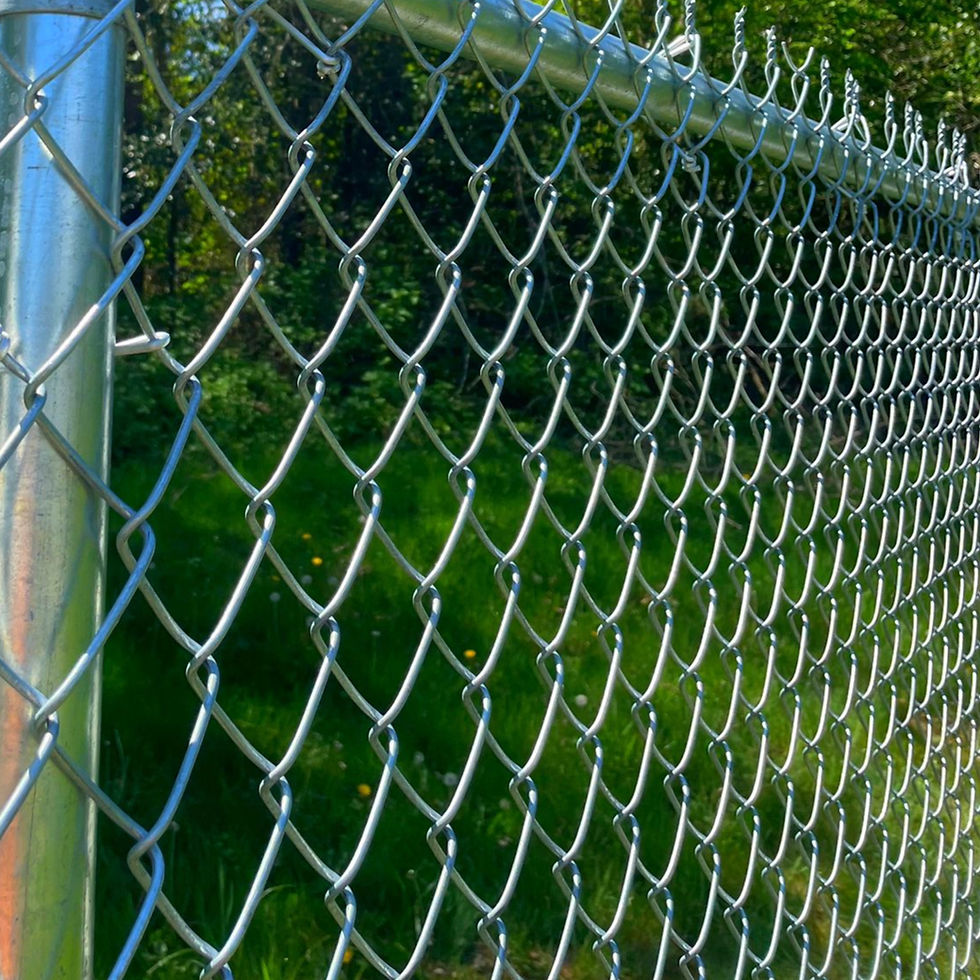
Common Commercial Chain Link Fence Problems and What Causes Them

Common Commercial Chain Link Fence Problems and What Causes Them
Understanding fence damage, structural issues and repair considerations for commercial and industrial properties.
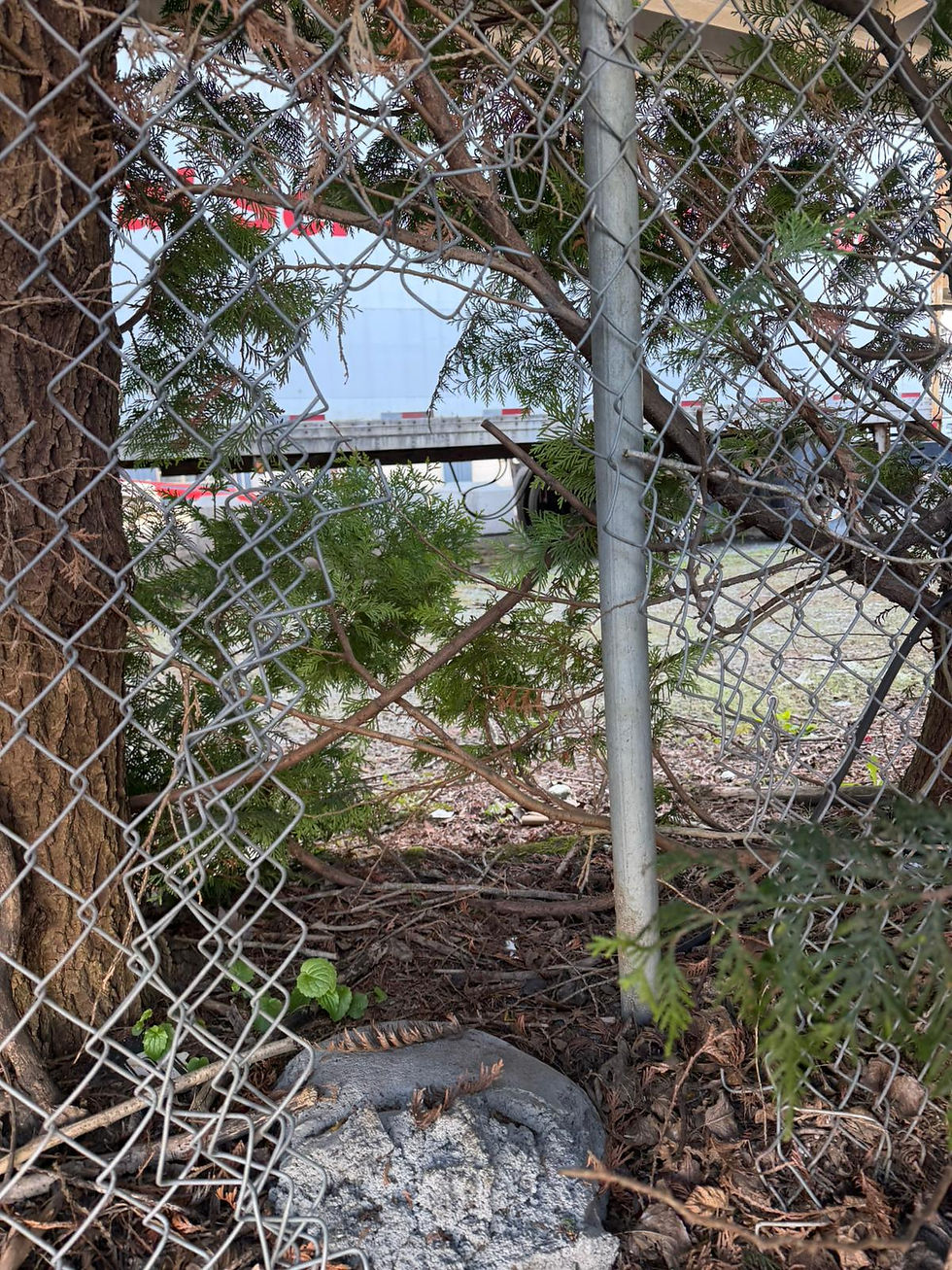
Commercial chain link fencing plays an important role in protecting properties, controlling access and defining secure boundaries.
From warehouses and distribution centres to industrial facilities, strata properties and commercial yards, chain link fencing is widely used because of its durability, visibility and adaptability.
However, even a properly installed fence can develop problems over time.
A leaning fence post, sagging gate or damaged section of chain link mesh may seem like a minor issue. But depending on the cause, these problems can affect the performance, alignment and security of the entire fence section.
Understanding why commercial chain link fences become damaged is the first step toward determining whether a repair, reinforcement or replacement is necessary.
In this guide, Wind Rose Fencing explains common commercial chain link fence problems, their possible causes, what property managers should look for and when professional repairs may be appropriate.
1. Leaning or Bent Chain Link Fence Posts
Fence posts are among the most important structural components of a chain link fence system.
They support the framework, maintain the fence line and help resist forces placed on the fence.
When a post begins leaning or bending, the surrounding fence section may also become misaligned.
What Causes Fence Posts to Lean?
Several conditions can contribute to leaning fence posts:
Vehicle impact: Forklifts, delivery trucks, trailers and other equipment can strike posts.
Ground movement: Soil settlement or erosion may affect the stability of concrete footings.
Inadequate foundations: Footings that are unsuitable for the application may not provide sufficient support.
Excessive loading: Fence height, attachments and wind exposure can influence the forces acting on posts.
Deterioration: Corrosion or physical damage may weaken steel components over time.
It is important to distinguish between a bent steel post and a straight post that has shifted within the ground.
A bent post may indicate direct impact or excessive force, while a post that remains straight but leans could indicate movement at its foundation.
These conditions may require different repair approaches.
When Is Post Replacement Necessary?
Post replacement may be appropriate when a post is significantly bent, structurally damaged or unable to provide adequate support.
Depending on the condition of the existing foundation, repairs may involve removing the damaged post, replacing the concrete footing or installing a new post suitable for the fence system.
A leaning post should not automatically be straightened without first identifying why it moved.
2. Loose or Sagging Chain Link Mesh
Chain link mesh forms the main barrier of the fencing system.
When properly installed, the mesh is secured to terminal posts and supported by the surrounding framework.
Over time, some fences develop loose, sagging or uneven sections.
Common Causes of Loose Chain Link Mesh
Possible causes include:
Insufficient tension during installation
Loose or missing tension bands
Damaged tension bars
Broken or missing fence ties
Movement of terminal posts
Impact or vandalism
Damage to the surrounding framework
A loose mesh section does not always mean the entire fence needs replacement.
In some cases, the existing mesh may be reusable if the wire is in suitable condition and the framework remains stable.
However, damaged or distorted mesh may need to be replaced to restore the fence’s intended function.
Why Proper Mesh Tension Matters
Chain link mesh should be secured with appropriate tension for the fence system.
If it is too loose, the fabric may sag, shift or leave unintended gaps.
Excessive tension can also place unnecessary forces on posts and fittings.
A professional assessment should consider the mesh, terminal posts, fittings and framework together rather than treating tension as an isolated issue.
3. Bent or Damaged Top Rails
The top rail connects the upper framework of many chain link fence systems.
It helps support the fence line and maintain alignment between posts.
When a top rail becomes bent, disconnected or damaged, the surrounding fence section may lose its intended shape.
What Causes Top Rail Damage?
Common causes include:
Vehicle or equipment impacts
Falling branches or debris
Vandalism
Excessive force applied to the fence
Movement of supporting posts
Damaged rail ends or fittings
A bent top rail is often a visible sign of impact damage.
However, the damage may extend beyond the rail itself.
Adjacent posts, fittings and chain link mesh should also be inspected.
Can a Damaged Top Rail Be Replaced?
Yes. In many cases, an individual top rail or damaged rail section can be replaced without rebuilding the entire fence.
The repair depends on the condition of the adjoining posts, rail connections and mesh.
If the impact has also displaced terminal posts or damaged foundations, additional work may be required.
4. Commercial Chain Link Gates That Sag, Drag or Stop Closing
Commercial gates are frequently used by employees, contractors, delivery drivers and maintenance personnel.
Unlike fixed fence panels, gates contain moving components that experience repeated use.
Over time, a gate may begin sagging, dragging along the ground or failing to latch properly.
Why Do Chain Link Gates Sag?
Several factors can contribute:
Gate post movement
A gate post that leans or shifts can change the alignment of the entire gate opening.
Worn or loose hinges
Damaged or incorrectly adjusted hinges may allow a gate leaf to drop or move out of position.
Gate frame damage
Bent or distorted gate frames can affect alignment and closing clearance.
Improper support
Gate dimensions, weight, post specifications and foundations must be appropriate for the application.
Repeated impact or misuse
Commercial gates may experience accidental collisions, excessive force or improper operation.
Warning Signs of Gate Problems
Property managers should pay attention to gates that:
Scrape or drag along the ground
Require lifting to close
No longer align with their latch
Swing unevenly
Have visibly leaning support posts
Show damaged hinges or connections
Fail to close or secure as intended
Should a Sagging Gate Be Repaired or Replaced?
That depends on the source of the problem.
A gate with serviceable framework may only require hinge adjustment, hardware replacement or post repairs.
A severely bent gate frame or unstable support system may require more extensive work.
For gates serving emergency exits or controlled-access areas, any closing or latching problem should be addressed promptly, with applicable safety and access requirements considered.
5. Cracked Concrete Footings and Loose Base-Plated Posts
A chain link fence is only as reliable as the support provided by its posts and foundations.
Commercial fence posts are commonly installed using concrete-set or base-plated methods, depending on site conditions and design requirements.
Both methods can perform effectively when properly specified and installed.
However, foundation-related problems can develop.
Concrete-Set Post Problems
Concrete-set posts are installed in excavated holes and supported by concrete footings.
Potential issues include:
Cracked or deteriorated concrete
Footing movement
Soil settlement
Erosion around the footing
Impact damage
Inadequate footing dimensions for the application
Visible cracking does not always mean a footing has failed, but movement or loss of support warrants closer inspection.
Base-Plated Post Problems
Base-plated posts are attached to an existing concrete surface using a steel plate and suitable anchors.
Potential problems include:
Loose or damaged anchors
Cracking around anchor locations
Deteriorated concrete
Damaged welds or base plates
Movement caused by impact or loading
The strength of a base-plated connection depends on more than the steel plate itself.
Concrete condition, thickness, anchor type, embedment, edge distances and expected loads all influence suitability.
Why Foundation Problems Should Not Be Ignored
A fence post that moves at its base can affect adjoining rails, mesh and gates.
Simply tightening fittings or adjusting the fence above ground may not resolve the underlying issue.
When foundation movement is suspected, the support condition should be evaluated before repairs are selected.
6. Vehicle Impact Damage to Commercial Fencing
Vehicle impact is a common source of damage around commercial and industrial properties.
Warehouses, loading areas, parking lots, service yards and distribution facilities often have vehicles operating near fence lines.
Even a relatively low-speed impact can damage multiple components.
Common Types of Vehicle-Related Fence Damage
Bent line posts
Damaged terminal posts
Crushed or distorted chain link mesh
Bent top rails
Broken fittings
Cracked concrete footings
Misaligned gates
One important consideration is that the visible damage may not represent the full extent of the problem.
For example, a vehicle may bend a fence post while also damaging the concrete supporting it.
Replacing only the visible mesh would not address the damaged post or foundation.
Real Project Example: Vehicle-Damaged Chain Link Fence in Surrey, BC
Wind Rose Fencing completed a residential chain link fence repair in Surrey following a vehicle impact.

The damaged section included approximately 20 feet of fencing, bent line and terminal posts, a damaged top rail and affected concrete.
The repair scope involved replacing damaged fence components and realigning the existing double-swing gate.
Although this was a residential project, the same assessment principles apply to commercial properties.
The important lesson is to inspect the complete damaged section, including posts, rails, mesh, foundations and nearby gates.
7. Vandalism, Cut Mesh and Unauthorized Openings
Commercial perimeter fencing may also experience intentional damage.
Cut chain link mesh, bent sections and damaged gate hardware can create openings that compromise the intended boundary.
Common Signs of Fence Vandalism
Property managers may notice:
Holes cut through the chain link mesh
Bent or separated wire
Missing ties or fittings
Damaged gate latches
Sections pulled away from posts
Repeated damage in the same location
The appropriate repair depends on the extent of damage and the condition of the surrounding materials.
Can Cut Chain Link Mesh Be Repaired?
Some localized damage can be addressed by replacing affected mesh sections or using suitable repair methods.
Larger openings, severely distorted fabric or recurring damage may require more extensive replacement or reinforcement.
Any repair should restore a continuous, properly secured barrier.
Real Project Example: Industrial Fence Vandalism Repair in Delta, BC
Wind Rose Fencing has completed industrial chain link fence repair work in Delta involving multiple vandalized openings.
The work included repairing damaged chain link sections and adding steel reinforcement components.
Projects like this demonstrate why commercial fence repairs may involve more than replacing damaged wire.
The repair approach should consider the location of the damage, surrounding framework and intended security function of the fence.
Where damage occurs repeatedly, property managers may also need to evaluate the wider site-security strategy.
8. Rust, Corrosion and Deteriorating Fence Components
Commercial chain link fencing is commonly manufactured using galvanized steel or coated materials intended for outdoor use.
These finishes help protect the steel, but they do not make fencing completely immune to corrosion.
What Causes Corrosion?
Factors may include:
Damage to protective coatings
Prolonged exposure to moisture
Road salts or other corrosive contaminants
Environmental exposure
Deterioration at welded or damaged areas
Aging fittings and hardware
Corrosion may appear on mesh, posts, rails, hinges, fittings or welded connections.
When Does Rust Become a Problem?
Surface discoloration does not always indicate a serious structural issue.
However, significant material loss, perforation or deterioration of load-bearing components can affect the fence’s performance.
Particular attention should be given to:
Post bases
Gate hinges
Welded connections
Damaged framework
Heavily corroded fittings
The decision to repair or replace should be based on the actual condition of the affected components.
9. Fence Damage Caused by Landscaping and Ground Conditions
Not every commercial fence problem is caused by a collision or vandalism.
The surrounding environment can also influence fence performance.
Tree Roots and Vegetation
Growing roots may affect nearby soil or hardscape, while heavy vegetation can make inspection and maintenance difficult.
Branches and fallen debris may also damage mesh or rails.
Soil Settlement and Erosion
Changes in ground support can contribute to post movement.
Drainage issues and erosion may expose or undermine existing foundations.
Changes in Ground Elevation
Landscaping work, excavation and grading near an existing fence can change the conditions around posts and foundations.
These changes should be considered when investigating unexplained movement.
Privacy Screens and Wind Exposure
Adding privacy slats, screening fabric or other attachments can increase the wind forces acting on a chain link fence.
An existing fence that was originally designed for open mesh may not be suitable for additional screening without further assessment.
Before adding privacy materials to a commercial fence, the framework, posts, foundations and site exposure should be considered.
10. Should You Repair, Reinforce or Replace a Commercial Chain Link Fence?
Not every damaged fence requires complete replacement.
In many situations, localized repairs can restore the affected section.
However, some conditions justify a more extensive upgrade.
When a Repair May Be Appropriate
A localized repair may be practical when:
Damage is limited to a small section
Adjacent posts remain stable
The surrounding framework is in good condition
Replacement components are compatible
The fence can be restored to its intended function
Examples include replacing a bent rail, repairing damaged mesh or replacing an individual post.
When Reinforcement May Be Considered
Reinforcement may be worth evaluating when the existing fence is generally serviceable but requires additional support or security improvements.
Possible measures depend on the specific application and may include upgraded components or additional protective measures.
Reinforcement should address the actual problem rather than simply adding material without evaluating the existing system.
When Replacement May Be the Better Option
Partial or complete replacement may be appropriate when:
Multiple posts are severely damaged
Foundations are unstable
Extensive corrosion has affected the framework
Damage is widespread
Existing materials are unsuitable for the intended application
Repeated repairs are no longer practical
The decision should consider the fence’s condition, security requirements, expected use and long-term maintenance needs.
11. Commercial Chain Link Fence Inspection Checklist
Routine inspections can help property managers identify developing problems before they become more serious.
A practical inspection can begin with the following questions.
Fence Posts and Framework
Are any posts leaning, bent or loose?
Are top rails straight and properly connected?
Are terminal posts stable?
Are any fittings missing or damaged?
Chain Link Mesh
Is the mesh properly secured?
Are there holes, cuts or distorted sections?
Are tension bars and bands in place?
Are there unexpected gaps along the fence line?
Gates and Access Points
Do gates open and close correctly?
Are hinges and latches functioning?
Are gate posts stable?
Are self-closing or other required access features operating as intended?
Foundations and Surrounding Ground
Is there visible movement around posts?
Are concrete footings or slabs cracked or deteriorated?
Are base plates and anchors visibly secure?
Has erosion, excavation or landscaping changed the surrounding conditions?
General Security and Maintenance
Are there signs of repeated impact or vandalism?
Is corrosion affecting important components?
Are vehicles operating too close to vulnerable fence sections?
Are trees or vegetation interfering with the fence?
Inspections should be performed from safe, accessible locations. Unstable sections, damaged electrical-area barriers and other hazardous conditions should be referred to appropriately qualified personnel.
12. How to Reduce Recurring Commercial Fence Problems
While no fence is completely damage-proof, several practices can help reduce preventable issues.
Address Small Problems Early
Loose fittings, damaged mesh and minor gate alignment issues may become more complicated if left unattended.
Protect High-Traffic Areas
Where vehicles operate close to fencing, appropriately designed bollards or other protective barriers may help reduce the likelihood of direct impacts.
Maintain Gates and Hardware
Regularly checking hinges, latches, wheels and other moving components can help identify wear.
Review Changes to the Property
New equipment, access requirements, privacy screens or changes in vehicle circulation may affect the demands placed on an existing fence.
Keep Maintenance Records
Photographs, inspection notes and repair records can help property managers track recurring problems and plan future work.
13. Commercial Chain Link Fence Repair in Surrey and the Lower Mainland
Commercial fencing problems should be evaluated according to the condition of the existing fence and the needs of the property.
A damaged fence at a warehouse may require a different repair approach than a gate at a strata property or a perimeter fence surrounding an industrial yard.
Wind Rose Fencing is a Surrey-based fencing contractor specializing in chain link fencing systems for residential, commercial and industrial applications.
Our services include:
Chain link fence repairs and replacements
Damaged post and top rail replacement
Chain link mesh repairs
Commercial gate repairs and replacements
Concrete-set and base-plated fence installations
Security fence upgrades
Commercial and industrial perimeter fencing
Chain link security enclosures
We serve Surrey, Delta, Vancouver, Burnaby, Richmond, New Westminster, Langley, Coquitlam and surrounding Lower Mainland communities.
Frequently Asked Questions
Why is my commercial chain link fence leaning?
Possible causes include vehicle impact, ground movement, damaged foundations, excessive loading or deteriorated posts. The appropriate repair depends on whether the steel post itself is bent or its supporting foundation has moved.
Can you repair a chain link fence without replacing the entire fence?
Yes. Many damaged chain link fences can be repaired by replacing individual components such as mesh, posts, rails or fittings. The surrounding framework and foundations must be evaluated to determine whether a localized repair is suitable.
Why does my commercial chain link gate keep sagging?
Common causes include loose or worn hinges, movement of gate posts, damaged gate frames or inadequate support for the gate’s size and weight.
Can a bent chain link fence post be straightened?
Some minor alignment issues may be adjustable, but a significantly bent or structurally damaged steel post may require replacement. The cause of the damage and the condition of the foundation should be assessed first.
What should I do if a vehicle hits my chain link fence?
Keep people clear of unstable or damaged sections, document the visible damage and arrange an appropriate inspection. The assessment should include posts, rails, mesh, fittings, foundations and nearby gates.
How often should a commercial chain link fence be inspected?
Inspection frequency depends on site conditions, traffic, security requirements and exposure to damage. High-traffic gates and vulnerable perimeter areas may require more frequent checks, particularly after impacts, severe weather or reported vandalism.
Final Thoughts: Identify the Cause Before Choosing the Repair
Commercial chain link fence damage can develop for many reasons.
A leaning post may indicate a damaged footing. A sagging gate may be caused by post movement rather than the gate itself. Loose mesh may be connected to damaged fittings or shifting terminal posts.
Understanding these differences can help property owners and managers make better maintenance decisions.
The most effective repair is one that addresses the underlying cause—not just the visible damage.
If your property has damaged chain link fencing, leaning posts, loose mesh or gates that no longer operate properly, Wind Rose Fencing can help assess the existing conditions and prepare a quotation for the appropriate scope of work.
Contact Wind Rose Fencing to request a commercial fence repair estimate.

Chain Link Fence Contractor in Surrey, BC


Comments